People living in urban areas are realizing the importance of making a transition to electric vehicles, owing to fluctuating oil and gas prices and rising global carbon emissions levels from vehicular pollution. Electric two-wheelers have been predominantly gaining a lot of traction due to cost-effectiveness and low maintenance, which is attributing to their booming sales.
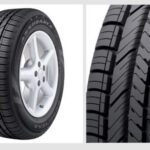
Rising population levels, rapid urbanization, and increasing personal disposable income have fuelled demand for cars, which in turn, has driven steady growth in the global tire market. By 2025, the sales of automobile tires are expected to reach 2,732 million units, owing to global economic growth, supporting vehicle production, and incremental expansion of the number
Governments and automobile manufacturers are shifting to selling newer, cleaner electric vehicles, which are expected to account for one-quarter of new sales by 2035. Global electric vehicle sales reached 6.75 million units in 2021. Providing a boost to electric mobility is intended to cut down carbon emissions that contribute to greenhouse gases. Electric Vehicles are
Tire manufacturing technology has progressed in parallel with growing requirements of automobile manufacturers and ever-growing customer expectations to accommodate new applications, safety, health, and environmental issues. Evolution of new tire construction technologies, emergence of novel materials like nano composites, plasma surface modified carbon black, and new computer simulation techniques have led to the development of
Vehicular emissions have become a grave concern for political leaders around the globe to tackle climate change issues. Road transport accounts for 15% of the global carbon emissions, whereas aviation and shipping contribute only 11.6% and 10.6%, respectively. Cities worldwide are facing enormous problems of transport sustainability with increasing population. Consequently, shared mobility is considered
The ever-increasing number of vehicles on roads harms the environment and puts strain on the limited sources of conventional fuels like oil and petroleum. Vehicular pollution is a significant contributor to the greenhouse gas emissions like carbon dioxide, carbon monoxide, and sulfur dioxide that reduce the air quality and lead to global warming. Whereas conventional
From facing a major supply crunch to slumping car sales, fluctuating oil prices to a sudden spike in delivery demand, semiconductor shortages to low inventories, the automotive industry faced some major challenges in 2020 and 2021, mainly due to disruptions caused by the COVID-19 pandemic. However, these disruptions have also accelerated developments in the automotive
Rapid population growth and the emergence of megacities have led to increased building density and the proliferation of high-rise buildings in cities globally. Ensuring the safety of human and other assets has become difficult in such “vertical” cities, especially during natural/man-made disasters. As per the National Fire Protection Association (NFPA) statistics, house fires resulted in 2,650 deaths and USD6.9 billion worth
Modern mobility solutions are redefining the auto industry and making rapid innovation essential to create unique experiences that customers are demanding. The ever-growing emphasis on reducing emissions and ban on new gas-powered cars entering the marketplace are pushing OEMs to rapidly adopt innovative technologies for more affordable EV-centric portfolios. As per Edison Electric Institute’s recent predictions, EV
With an increased focus on sustainability and the environment, electric vehicles are becoming hugely popular. Despite supply chain disruptions caused by the COVID-19 pandemic, EV vehicles sales in the US have been record-breaking in 2021, with 310,000 EVs sold in the first half of the year, which is close to the 2020 total of about 322,000 for the entire