
Modern Office Furniture Trends Shaping Smarter Workspaces in 2026
Introduction
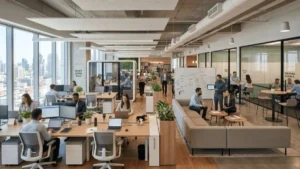
Modern office furniture has become far more than a workplace necessity. In 2026, it plays a strategic role in shaping productivity, employee well-being, collaboration, and overall workspace efficiency. Companies are no longer choosing furniture only for appearance or cost. They are selecting pieces that support hybrid work models, smarter space planning, and a better employee experience.
According to TechSci Research report the Global Office Furniture Market, valued at USD 63.98 Billion in 2024, is projected to experience a CAGR of 6.87% to reach USD 95.32 Billion by 2030.
As organizations redesign offices to meet changing work habits, furniture is becoming a core part of workplace transformation. From ergonomic chairs to modular workstations and acoustic pods, modern office furniture helps businesses create environments that are functional, flexible, and future-ready.
From Traditional Offices to Flexible Workspaces
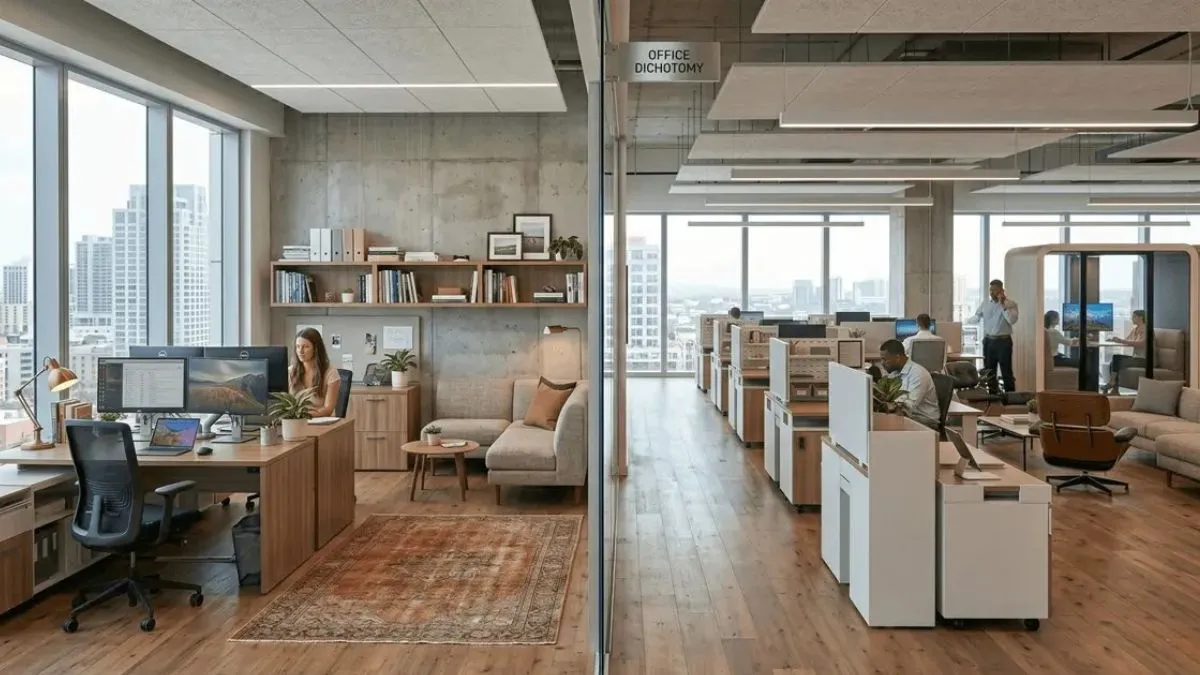
Traditional offices were designed around fixed layouts, assigned desks, formal meeting rooms, and bulky storage units. These setups worked in a time when most employees followed the same schedule and used the office primarily for desk-based tasks. However, that model no longer fits the way people work today.
In 2026, offices are more dynamic. Employees move between focused work, collaboration, video meetings, brainstorming sessions, and informal discussions. As a result, furniture must support flexibility, mobility, and multiple work styles.
| Aspect | Traditional Office Furniture | Modern Office Furniture |
| Layout style | Fixed and permanent | Flexible and reconfigurable |
| Desk usage | Assigned seating | Shared desks, hot-desking, multi-use stations |
| Meeting spaces | Formal conference rooms | Collaborative zones, lounge areas, pods |
| Storage | Large cabinets and fixed units | Smart storage, mobile pedestals, compact systems |
| Design focus | Function over comfort | Comfort, aesthetics, wellness, and agility |
| Employee needs | Standardized | Personalized and activity-based |
This shift reflects a broader move toward smarter workspaces, where furniture supports both business performance and employee satisfaction.
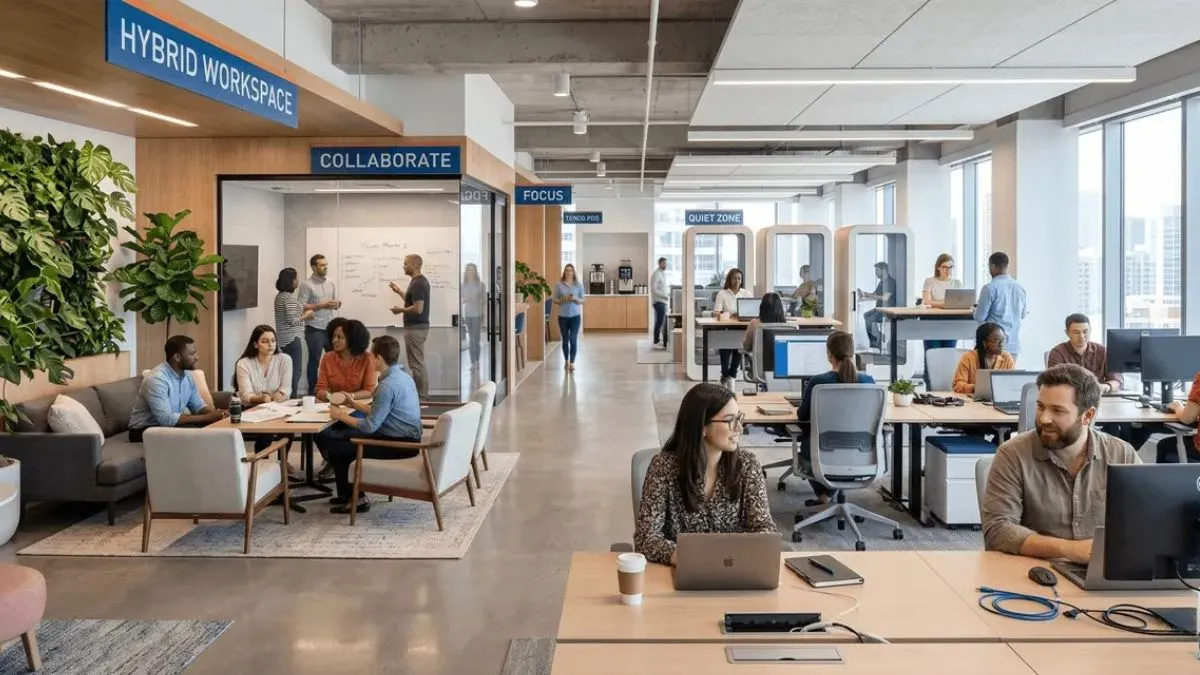
Key Features of Modern Office Furniture
Modern office furniture stands out because it blends design, comfort, technology, and sustainability. Several features define the furniture trends shaping offices in 2026.
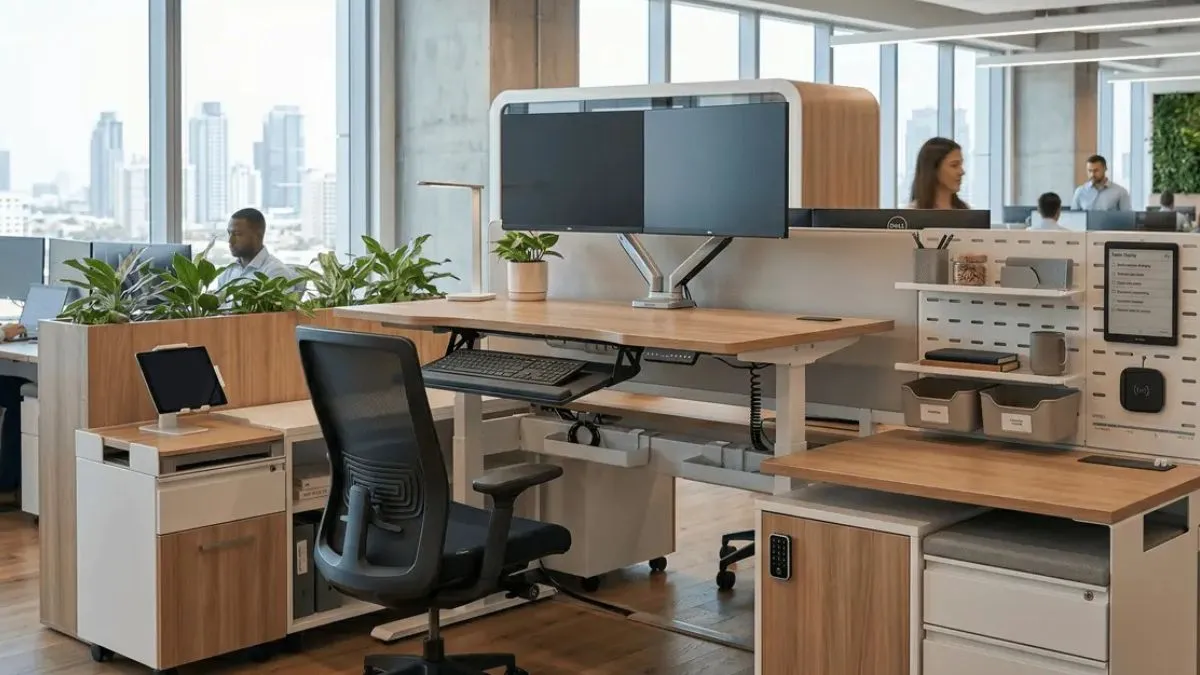
Ergonomic design remains essential. Adjustable chairs, height-adjustable desks, monitor arms, and proper workstation accessories help reduce physical strain and improve long-term comfort.
Modularity is equally important. Businesses prefer desks, seating, and partitions that can be rearranged easily as teams expand or office layouts change.
Smart storage has become a practical necessity. Offices now favor compact, integrated storage solutions that reduce clutter without taking up too much floor space.
Minimalist aesthetics are also in demand. Clean lines, neutral tones, and sleek finishes make offices feel more open, calm, and professional.
Sustainability is increasingly influencing purchasing decisions. Furniture made from recycled, low-emission, or responsibly sourced materials is helping businesses align office design with environmental goals.
| Feature | Why It Matters | Common Examples |
| Ergonomic design | Supports comfort and posture | Adjustable chairs, sit-stand desks, monitor arms |
| Modularity | Allows quick layout changes | Modular desks, mobile partitions, flexible seating |
| Smart storage | Improves organization in smaller spaces | Under-desk units, integrated shelving, mobile cabinets |
| Minimalist aesthetics | Creates a clean and modern look | Slim desks, neutral palettes, uncluttered surfaces |
| Sustainability | Supports ESG goals and long-term value | Recycled materials, FSC-certified wood, durable finishes |
How Furniture Impacts Health, Focus, and Collaboration
Office furniture directly influences how employees feel and perform. Poor furniture can lead to discomfort, fatigue, and distraction, while well-designed furniture improves both physical well-being and daily efficiency.
Ergonomic furniture supports better posture and reduces strain on the neck, back, and shoulders. This matters even more in modern workplaces where employees spend long hours on laptops, video calls, and screen-based tasks.
Furniture also affects focus. In open-plan environments, distraction is a common challenge. Acoustic pods, privacy screens, and high-back seating help create quieter zones for concentrated work and virtual meetings.
Collaboration benefits from furniture designed for interaction. Shared tables, movable chairs, casual seating, and breakout spaces make it easier for teams to communicate and work together naturally. Instead of relying only on formal meeting rooms, many businesses now use smaller collaborative zones that feel more accessible and efficient.
Popular Furniture Types in Modern Offices
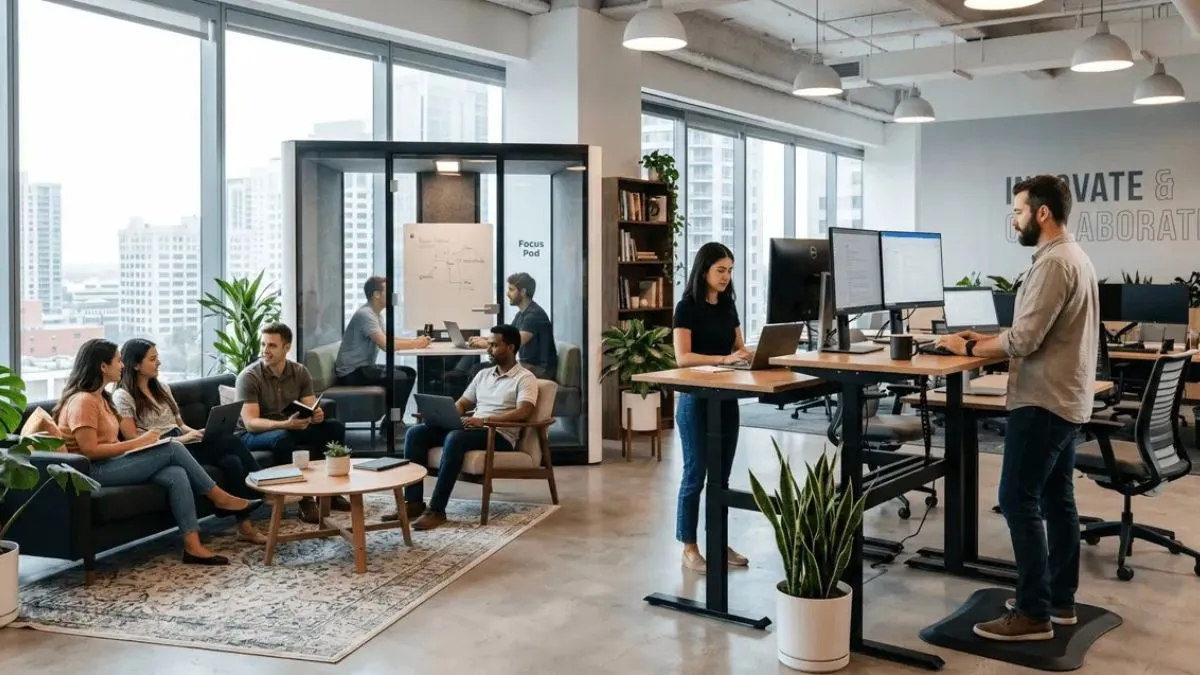
Several furniture types are especially important in modern workspaces because they address current workplace needs.
Sit-stand desks are now widely used to support movement and reduce the health risks associated with long hours of sitting. Ergonomic chairs remain a foundational investment because they influence daily comfort more than almost any other furniture item.
Acoustic pods are increasingly common in open offices, where employees need privacy for calls, focused work, or virtual meetings. Collaborative tables are replacing some traditional boardroom setups by supporting more informal and interactive teamwork. Lounge seating adds comfort and helps create welcoming spaces for informal discussion, client waiting, or short breaks.
| Furniture Type | Primary Benefit | Best Use Case |
| Sit-stand desks | Encourages movement and flexibility | Individual workstations, hybrid offices |
| Ergonomic chairs | Improves comfort and posture | Daily desk work, long working hours |
| Acoustic pods | Adds privacy and reduces noise | Calls, video meetings, focused tasks |
| Collaborative tables | Supports team interaction | Brainstorming, quick meetings, project work |
| Lounge seating | Creates relaxed and informal zones | Breakout areas, reception spaces, casual meetings |
Trends Influencing the Market
A few major trends are shaping office furniture decisions in 2026. The biggest is hybrid work. Since employees split time between home and office, companies want flexible furniture that supports shared workstations, touchdown spaces, and collaborative zones.
Eco-friendly materials are also influencing the market. Businesses are paying more attention to the environmental impact of their furniture choices and prefer products made from recycled or responsibly sourced materials.
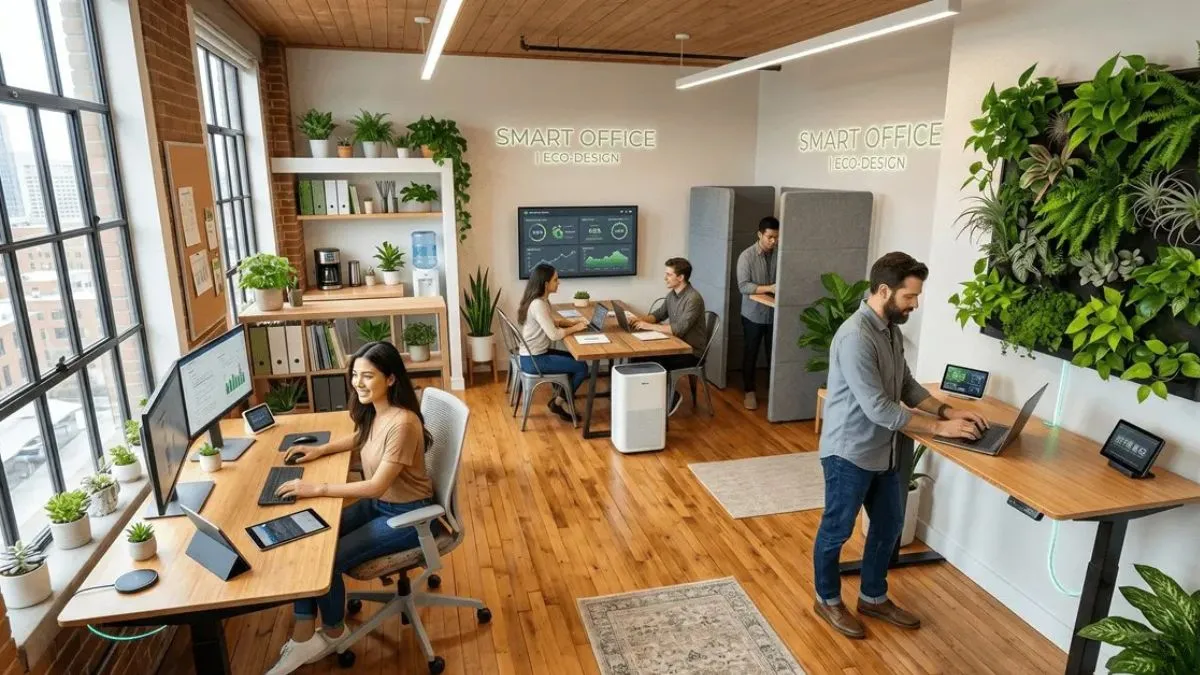
Smart furniture is becoming more common as offices integrate technology into everyday workflows. Desks with charging ports, cable management systems, and app-controlled height adjustments improve convenience and reduce friction.
Space optimization is another major driver. Rising real estate costs are pushing organizations to use smaller office footprints more effectively, increasing demand for compact and multi-functional furniture.
| Trend | Market Driver | Workspace Impact |
| Hybrid work | Flexible attendance patterns | Shared desks, modular layouts, touchdown zones |
| Eco-friendly materials | Sustainability goals and ESG pressure | Demand for recycled and low-emission furniture |
| Smart furniture | Growing digital workplace needs | Tech-enabled desks, charging access, connected spaces |
| Space optimization | Higher office costs and smaller footprints | Compact furniture, mobile units, dual-purpose designs |
Tips for Choosing the Right Office Furniture
Choosing the right office furniture requires more than matching colors or following trends. Businesses should first understand how their teams work and what kind of environment they want to create.
Small offices benefit most from compact and space-saving furniture. Foldable tables, vertical storage, slim desks, and mobile storage units help maximize available space without making the office feel crowded.
Large corporate offices need consistency, durability, and scalability. Standardized ergonomic desks and chairs, collaborative tables, and privacy solutions can help maintain balance across departments.
Creative industries often need furniture that encourages collaboration and flexibility. Modular seating, open layouts, movable tables, and visually distinctive furniture work well in these settings.
Professional services firms usually require a more polished and structured environment. Sleek workstations, premium ergonomic chairs, elegant meeting tables, and discreet storage help create a professional impression.
Startups and coworking spaces need agility. Lightweight furniture, hot-desking systems, and multi-purpose seating support frequent change and fast growth.
| Office Type | Recommended Furniture | Main Priority |
| Small office | Compact desks, foldable tables, smart storage | Space efficiency |
| Large corporate office | Ergonomic desks, meeting tables, acoustic pods | Scalability and comfort |
| Creative agency | Modular seating, collaborative tables, lounge zones | Flexibility and creativity |
| Professional services firm | Sleek desks, premium chairs, refined storage | Professional appearance |
| Startup or coworking space | Hot desks, movable furniture, shared tables | Adaptability and cost-effectiveness |
When selecting furniture, companies should also consider ergonomics, product durability, ease of maintenance, warranty support, and alignment with brand image. Testing furniture before final purchase can help avoid expensive mistakes.
Conclusion
Modern office furniture in 2026 is shaping smarter workspaces by combining flexibility, comfort, technology, and sustainability. Offices are no longer designed only for routine desk work. They are built to support movement, collaboration, focus, and employee well-being.
As work continues to evolve, furniture will remain a major part of workplace strategy. Businesses that invest in ergonomic, modular, and future-ready furniture will be better positioned to create offices that are efficient, attractive, and aligned with modern work expectations. In that sense, modern office furniture is not just part of the office environment; it is helping define the future of work itself.

North America to Dominate Over the Counter (OTC) Drugs Market During Forecast Period

Diphenylamine Market is projected to grow at a CAGR of 4.35% by 2030

Artificial Lift Systems Market to grow at a Significant Rate through 2026
About Author
