
Facility Management Market: AI, IoT and the Next Big Shift
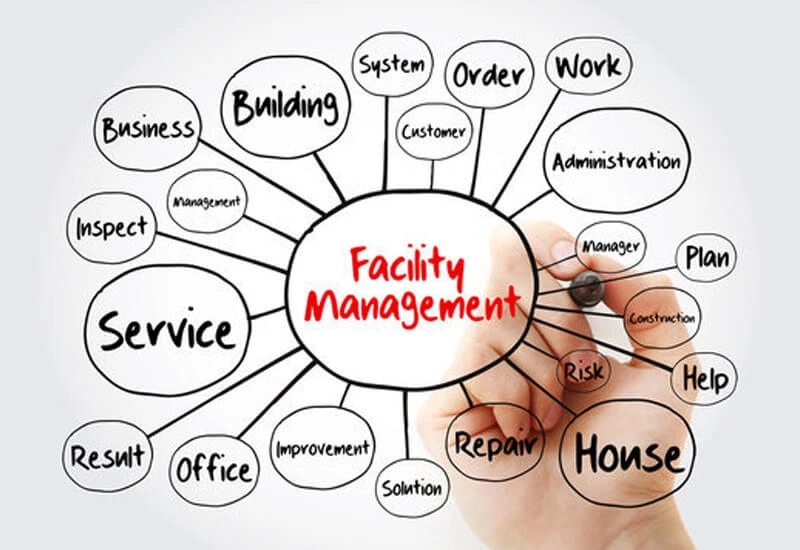
Facility management has evolved from a support function focused on cleaning, maintenance, security, and repairs into a strategic business function. Today, organizations use facility management to improve operational efficiency, workplace experience, safety, sustainability, and asset performance.
At its core, facility management integrates people, places, processes, and technology to ensure that buildings and workplaces remain functional, comfortable, safe, and efficient. As commercial properties, offices, industrial facilities, healthcare infrastructure, data centers, and other built environments become increasingly complex, the demand for professional facility management solutions continues to rise.
According to TechSci Research report, the Facility Management Market is projected to grow from USD 51.34 Billion in 2025 to USD 104.14 Billion by 2031, registering a 12.51% CAGR during 2026–2031. This growth reflects the increasing importance of professionally managed facilities as businesses expand their physical infrastructure and prioritize workplace optimization.
Global Facility Management Market at a Glance
| Market Indicator | Details |
|---|---|
| Market Size, 2025 | USD 51.34 Billion |
| Projected Market Size, 2031 | USD 104.14 Billion |
| CAGR, 2026–2031 | 12.51% |
| Fastest-Growing Segment | Cloud |
| Largest Regional Market | North America |
| Key Growth Areas | Outsourcing, Smart Buildings, IoT, AI, Sustainability |
From Traditional Maintenance to Strategic Facility Management
Traditional facility management primarily involved routine maintenance, cleaning, electrical work, plumbing, security, HVAC servicing, and repairs. While these functions remain essential, modern facility management has expanded significantly.
Organizations now operate buildings containing connected equipment, digital infrastructure, energy systems, security technologies, and workplace platforms. Managing these systems requires greater coordination and real-time visibility.
Modern facility management helps organizations:
- Maintain critical infrastructure
- Improve workplace safety and comfort
- Reduce equipment downtime
- Optimize energy and resource consumption
- Manage preventive maintenance
- Improve employee and occupant experience
- Monitor facility performance
- Control operational expenditure
This shift is also encouraging businesses to view facility management as a contributor to long-term operational performance rather than simply an administrative expense.
Technology Is Reshaping Facility Operations
Technology is changing the way buildings are monitored, maintained, and managed.
IoT sensors, cloud platforms, artificial intelligence, automation, and data analytics are helping facility managers move from reactive maintenance toward proactive operations.
Instead of waiting for equipment to fail, connected systems can continuously monitor operating conditions and highlight potential problems. Sensors can collect information related to:
- Temperature
- Energy consumption
- Equipment performance
- Occupancy
- Air quality
- Lighting
- HVAC conditions
- Asset performance
This information can help facility managers identify inefficiencies, prioritize maintenance activities, and make better operational decisions.
Cloud-based facility management platforms are also becoming increasingly valuable because they provide access to facility information across locations. For companies managing large property portfolios, this can improve visibility and coordination.
Smart Buildings Are Changing the Role of Facility Managers
The rise of smart buildings represents another important development in the industry.
Modern smart facilities can connect lighting, HVAC, security, energy systems, occupancy monitoring, and other building technologies through integrated platforms. The objective is to create buildings that can respond more intelligently to changing operational conditions.
For example, occupancy data can help organizations adjust lighting or temperature according to actual building usage. Energy monitoring can identify unusual consumption patterns, while automated systems can support more efficient building operations.
As these technologies become more widely adopted, facility managers will increasingly need to combine traditional operational expertise with digital and analytical capabilities.
Sustainability Is Becoming a Facility Priority
Sustainability is no longer separate from facility operations. Buildings consume significant amounts of energy, water, and other resources, making facility management an important area for improving environmental performance.
Organizations are increasingly focusing on:
- Energy efficiency
- Carbon reduction
- Water conservation
- Waste management
- Renewable energy integration
- Resource optimization
- Sustainable building operations
Energy-efficient HVAC systems, smart lighting, automated controls, and digital monitoring can help organizations understand where resources are being consumed and identify areas for improvement.
The increasing focus on ESG objectives is therefore creating new responsibilities for facility management teams. Providers are expected to support not only day-to-day operations but also broader sustainability goals.
Integrated Facility Management Gains Momentum
Another significant trend is the growing adoption of Integrated Facility Management (IFM).
Rather than managing cleaning, security, maintenance, technical services, and other functions through separate arrangements, organizations can consolidate multiple services under an integrated model.
This approach can offer several advantages:
- Centralized service management
- Better coordination between teams
- Standardized operating procedures
- Simplified vendor management
- Unified performance reporting
- Improved visibility into facility operations
IFM can be particularly valuable for organizations managing large property portfolios or multiple locations where consistency and centralized oversight are important.
Key Trends Shaping the Future
Several trends are expected to influence the next phase of facility management growth:
Smart Monitoring: IoT-connected systems are providing real-time visibility into equipment and building performance.
Predictive Maintenance: AI and analytics can help identify potential equipment issues before they become major operational problems.
Cloud-Based Management: Cloud platforms enable scalable facility management and remote access to information across multiple locations.
Energy Optimization: Businesses are increasingly using digital monitoring and intelligent controls to improve energy efficiency.
Workplace Experience: Facility management is becoming more focused on occupant comfort, productivity, health, safety, and overall workplace experience.
Integrated Services: Organizations are looking for coordinated solutions that combine multiple facility functions under a unified management structure.
Building a Future-Ready Facility Strategy
Organizations looking to modernize facility operations should evaluate their current requirements while considering future growth.
Important considerations include:
- Facility size and complexity
- Number of operating locations
- Criticality of assets
- Maintenance requirements
- Energy consumption
- Existing technology infrastructure
- Workforce capabilities
- Sustainability targets
- Outsourcing requirements
- Long-term operating costs
A successful strategy should combine professional expertise, technology, measurable performance indicators, and continuous improvement.
The goal should not simply be to reduce maintenance costs. Businesses also need to consider reliability, employee experience, asset performance, sustainability, and operational resilience.
Future Outlook
The Global Facility Management Market is entering a period of significant transformation. The projected growth from USD 51.34 Billion in 2025 to USD 104.14 Billion by 2031 highlights how facility management is becoming increasingly important to modern organizations.
Future growth is likely to be shaped by the combination of expanding real estate infrastructure, outsourcing, cloud deployment, IoT, artificial intelligence, smart buildings, sustainability initiatives, and integrated service models.
As facilities become more connected, the role of facility management will continue to expand. The industry is gradually moving from simply maintaining buildings toward creating smarter, more efficient, sustainable, and responsive environments.
For businesses, this evolution presents an opportunity to rethink how their facilities support everyday operations and long-term objectives. As technology and workplace expectations continue to change, facility management will likely remain an important part of building environments that are prepared for what comes next.

India Rental Housing Market to Grow at an Impressive Rate until 2025

India Warehousing Market to Grow At CAGR of 9.82% Through 2025

Elevator and Escalator Market to Surpass $ 105 Billion by 2025
About Author
